Our paper Is Your Language Model Ready for Monetization Decisions? was published in Findings of ACL 2026.
Jialu Gao
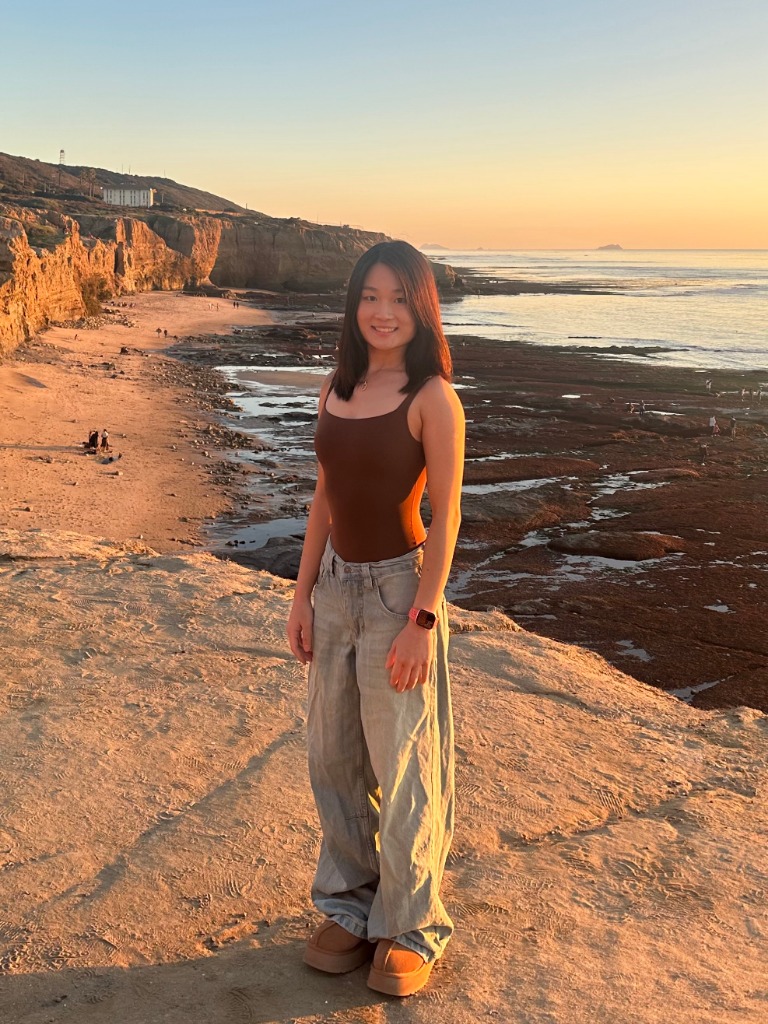
Data Scientist at Microsoft AI
I work on large language model evaluation. My broader interests span trustworthy AI, generative models, computer vision, and robot learning.
I received my M.S. in Robotics from Carnegie Mellon University, where I worked with Prof. Fernando De la Torre. Before that, I earned my B.E. in Computer Science and Technology from Tsinghua University, where I worked with Huazhe Xu.
LLM evaluation
Generative AI
Computer vision
Robot learning
Updates
Recent news
We released Multi-Object Advertisement Creative Generation on arXiv, introducing CreativeAds for scalable multi-product ad creation.
Our patent application Image composition of multiple objects using generative models became public as US20260105581A1.
Joined Microsoft AI as a data scientist, focusing on evaluation for large language models.
Teleportraits appeared at ICCV 2025.
Completed an M.S. in Robotics at Carnegie Mellon University.
ConBias was published at NeurIPS 2024.
LfVoid was published at NeurIPS 2023.
Selected work
Research
My work explores how intelligent systems can generate, understand, and learn from visual and language data.
 Findings of ACL 2026
LLM evaluation
Is Your Language Model Ready for Monetization Decisions?
MonBench evaluates the performance and robustness of large language models across realistic monetization tasks in search, advertising, and e-commerce systems.
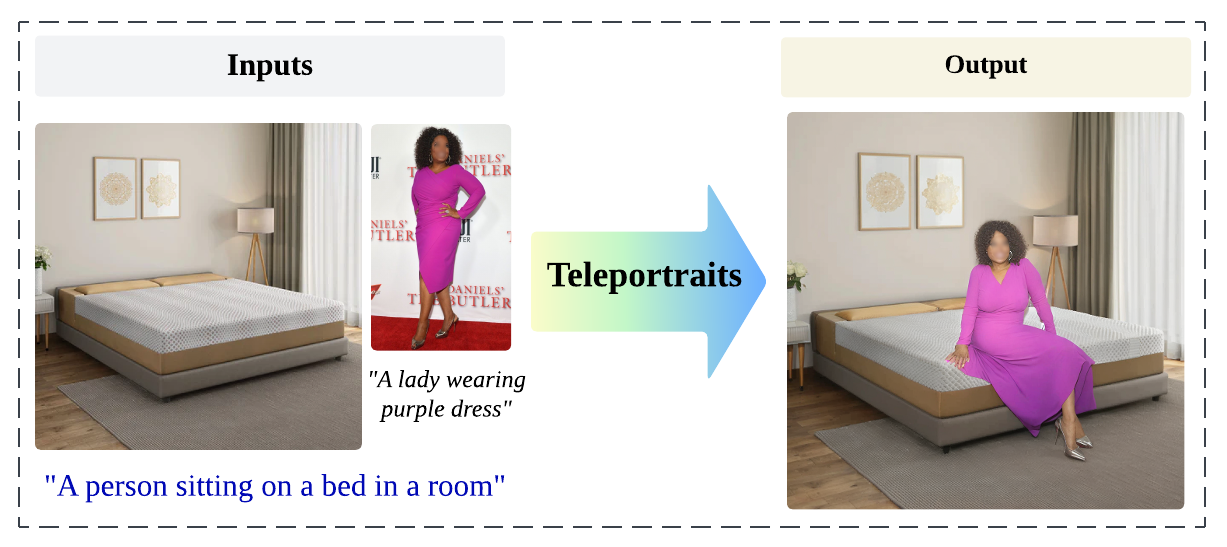 ICCV 2025
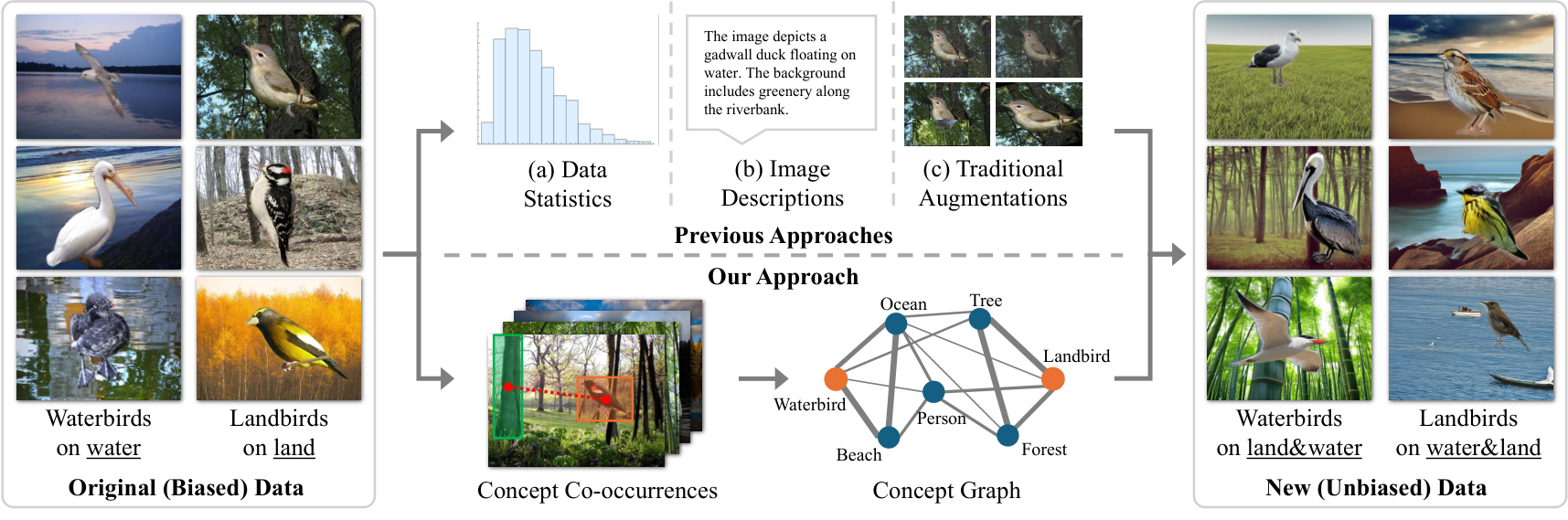 NeurIPS 2024
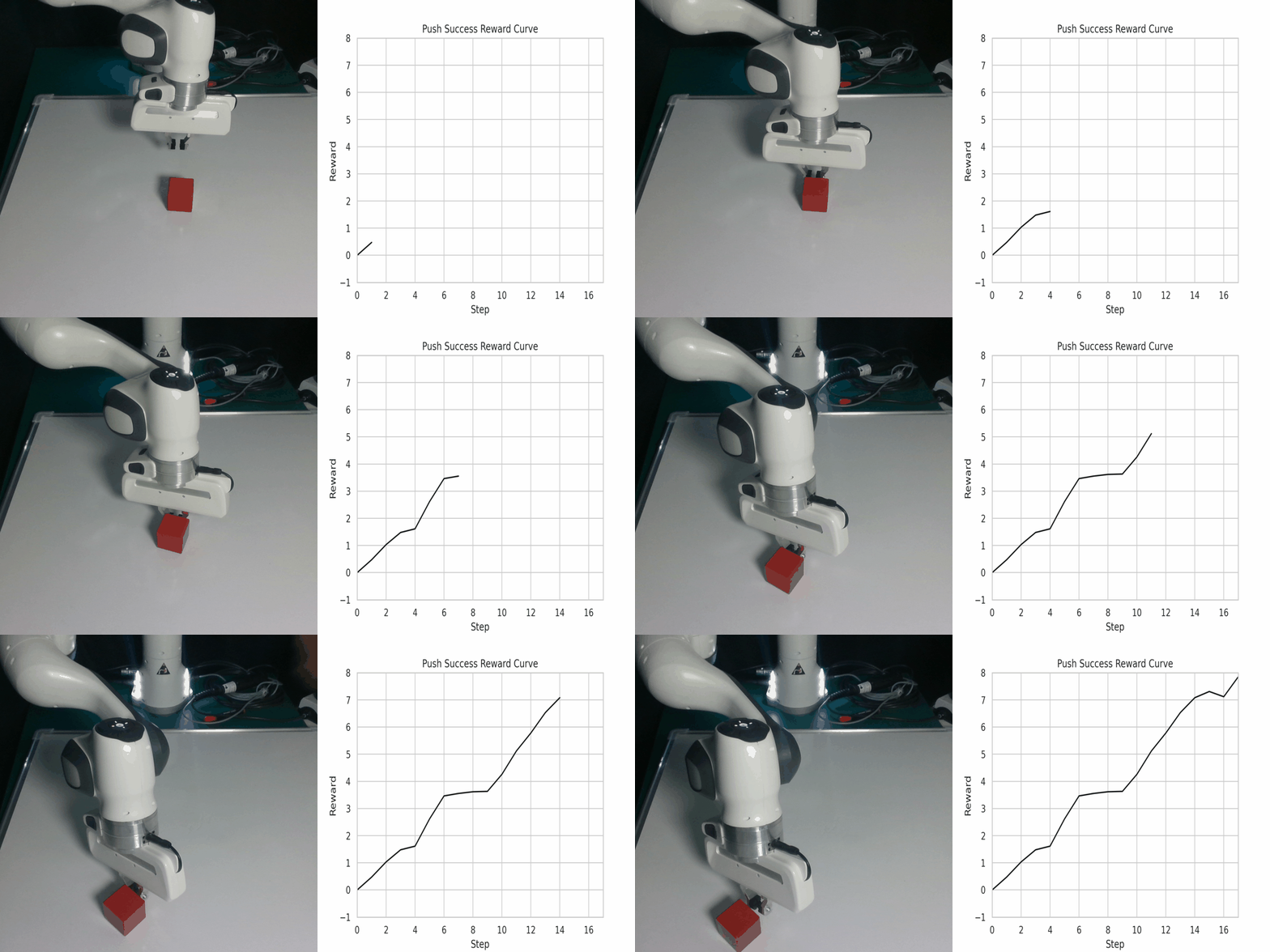 NeurIPS 2023
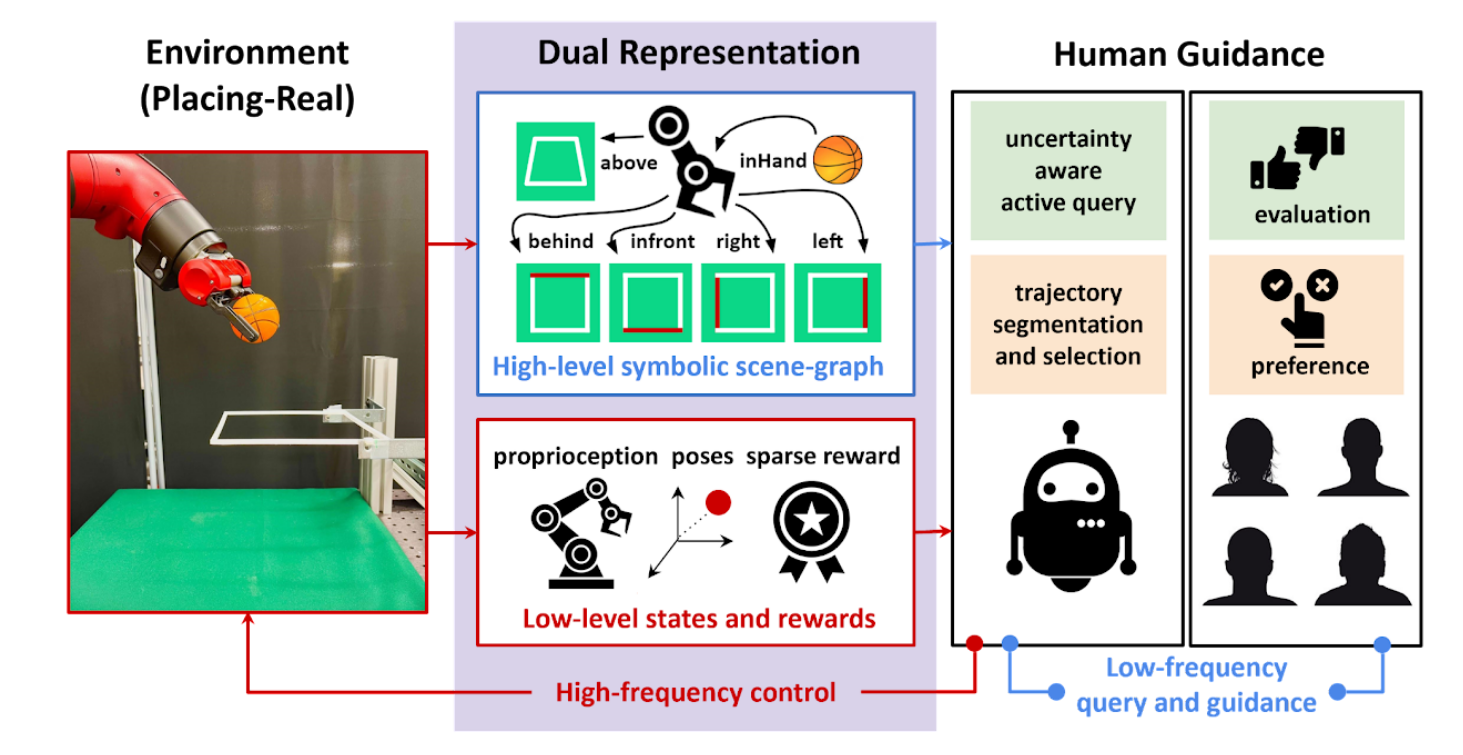 CoRL 2022
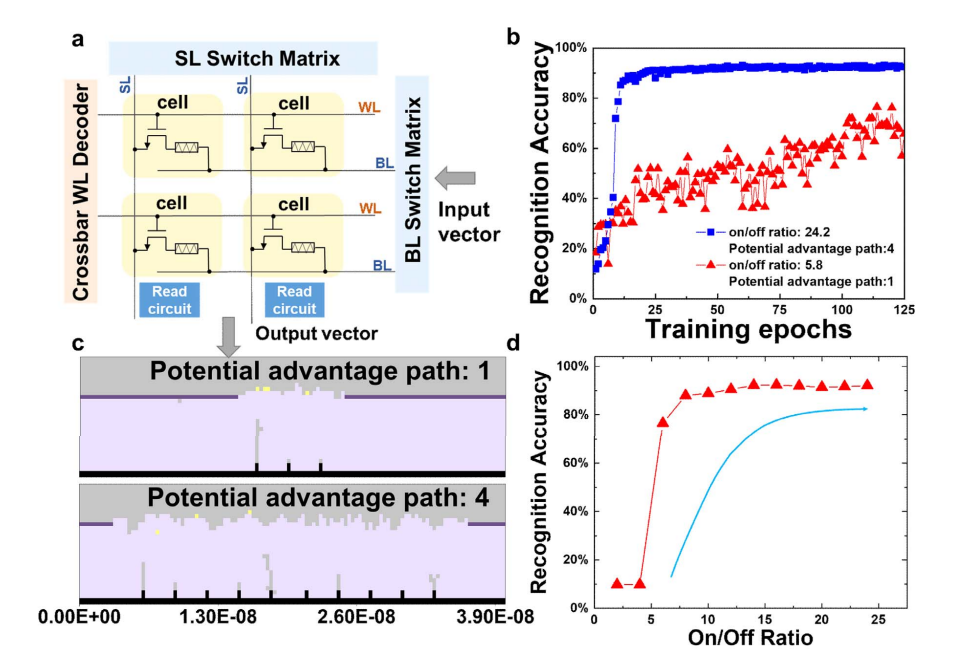 IEEE TED 2021
Neuromorphic computing
The Origin of CBRAM With High Linearity, ON/OFF Ratio, and State Number for Neuromorphic Computing
An investigation of conductive-bridge memory behavior for reliable, high-density neuromorphic computing.
Background
Experience & education
2025 - Present
Microsoft AI
Data Scientist
Large language model evaluation and applied AI research.
2023 - 2025
Carnegie Mellon University
M.S. in Robotics
Research in generative models, computer vision, and robot learning.
2019 - 2023
Tsinghua University
B.E. in Computer Science and Technology
Coursework and research spanning AI, robotics, and computing systems.
Get in touch
Interested in my work?
I am always happy to connect with researchers and practitioners working on thoughtful, reliable AI. I usually respond within 1–2 days.
gaojialululu@gmail.com